
Hingan Paper Arts and Goods
What is Washi?
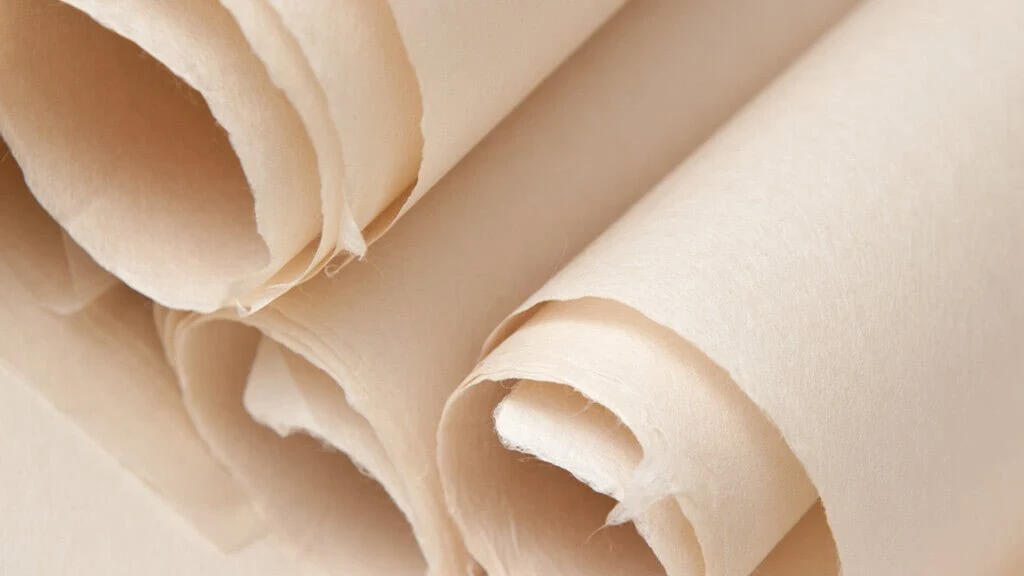
Washi is the traditional handmade paper of Hingashi. Washi is made using fibers and bark from Hingan plants and trees. Compared to other papers, washi is stronger and more durable than wood pulp papers more common in other places.
The different types of washi comes from three main plants: kozo (paper mulberry), which gives the paper its toughness and length of fiber; mitsumata, used for a smoother surface and natural sheen; and gampi, which produces a fine, almost translucent sheet with excellent strength. These plants grow well in Hingashi's climate and have been cultivated for centuries specifically for papermaking.
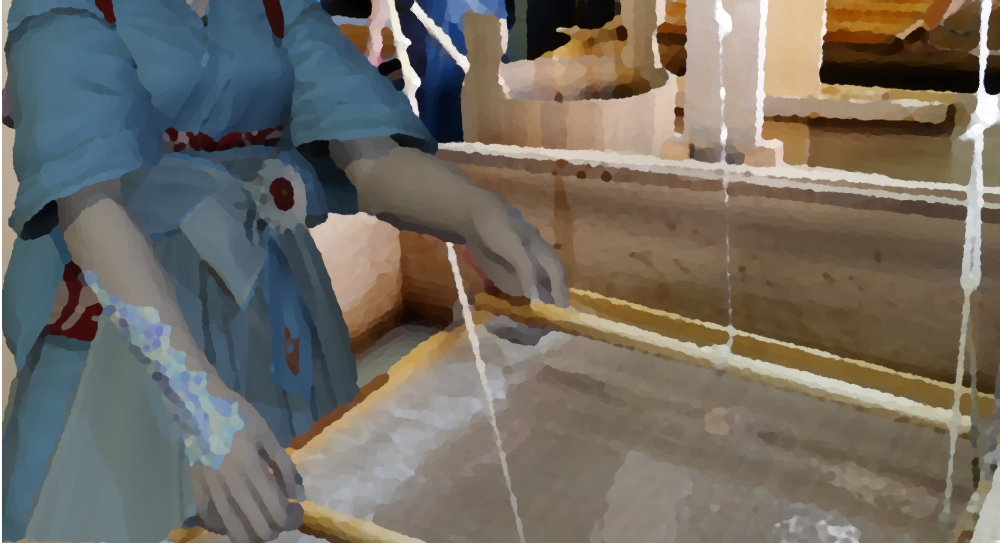
The process remains largely manual. Stalks are harvested, steamed, and stripped of their outer bark. The inner bark is then cleaned, beaten into a pulp, and mixed with water and a natural mucilage called neri that helps the fibers disperse evenly. Hingan artisans form each sheet by dipping a bamboo screen into the mixture and rocking it in a distinctive motion that interlocks the long fibers. The sheets are pressed, dried on wooden boards, and finished by hand. Because the fibers stay long and connected, washi is remarkably strong for its weight, flexible, and resistant to tearing or aging compared with other papers.
What is Washi used for?
Calligraphy and writing - Washi's long fibers and smooth surface hold ink cleanly without bleeding, making it ideal for traditional brush writing and official documents.
Shoji screens and sliding doors - Thin, translucent sheets of washi let soft light pass through while providing privacy in traditional Hingan architecture.
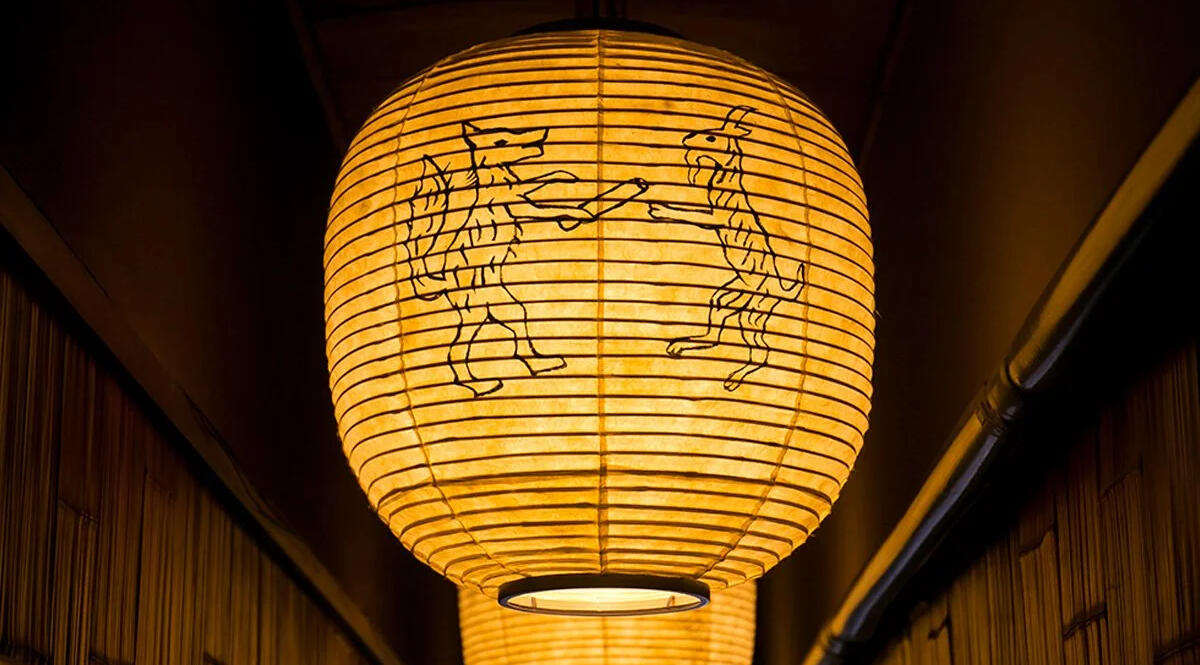
Paper lanterns and lamps - Its strength and ability to diffuse light evenly allow washi to form the glowing panels of chochin and other decorative lanterns.
Woodblock prints and artwork - The classic woodblock print style of ukiyo-e relies on washi to absorb pigment easily and remain durable for centuries.
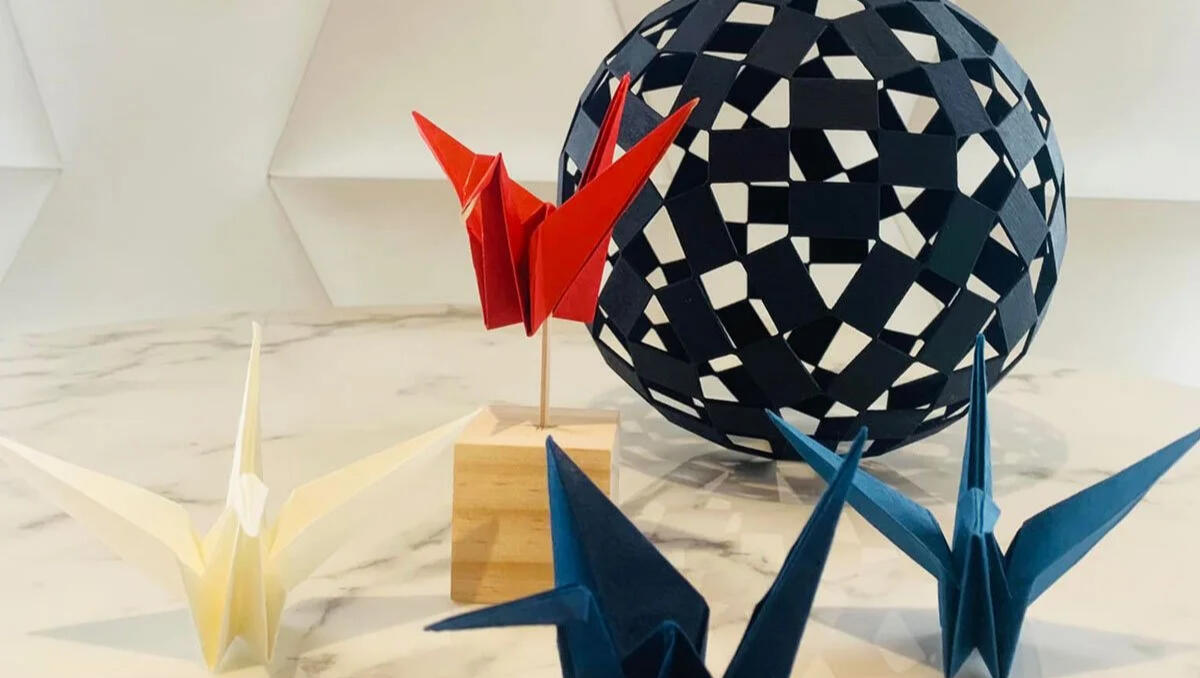
Origami and paper crafts - Washi's flexibility and durability resist tearing when so intricately folded.
Bookbinding and conservation - Durable washi is used to bind traditional Hingan books, and repair old bindings beautifully.
Wrapping and packaging - The elegant texture make washi suitable for gift wrapping, food packaging, and protective coverings with Eastern refinement.
Autumn Eve Festival!
We will be there for Autumn Eve! Come find us then! List will be updated before the festival.
Autumn Eve Giveaways!
All are first come, first serve while supplies last
This page does not represent current stock, only existing stock at start of festival, please check vendor. One item per person!
9x Hingan Chochin Lantern
5x Plum Paper Parasol
2x Vermillion Paper Parasol
2x Autumnal Ginkgo Tree
3x /reference emote
1x Okuri Chochin (lantern minion)
1x Tsukumogami Parasol (yokai umbrella)
No real gil is accepted, this is all RP! (except in the form of donations! Not required)
No game items are distributed here, except Crafted Goods below has some mods if you use them!
Washi paper is made from screened mulberry fibers
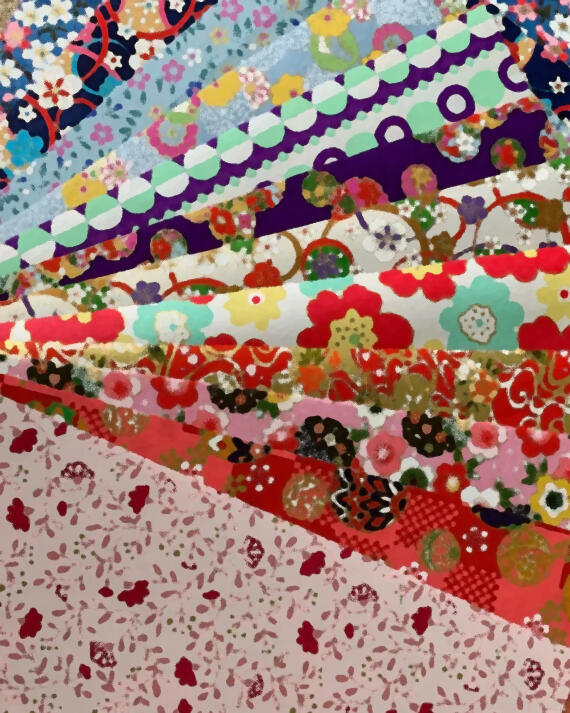
Chiyogami is washi paper with patterned designs (see right)
Washi & Chiyogami Goods
Washi Stock (color of your choosing)
Good for writing, calligraphy, origami, crafting, and more!
By the Sheet: 50 gil
By the Ream: 1,500 gil (50 sheets)
By the Crate: 65,000 gil (50 reams)
Chiyogami Stock (pattern of your choosing)
By the Sheet: 200 gil
By the Ream: 8,000 gil (50 sheets)
By the Crate: 330,000 gil (50 reams)
Crafted Goods
All use traditional Washi techniques with split bamboo or wire
Handheld Fan: 80,000 gil Click here for mod (mod by ysillne)
Choose a color! Click here for mod (mod by Oaris)
Handheld Lantern: 20,000 gil Click here for mod
(mods by Chameleon Affect / Solona / ysillne)
Floating Lantern: 40,000 gil Click here for mod
(Tosses a lantern that floats in the air, color is randomized each time. Mod by Lumiry.)
Origami
All are folded in advance
Animals
Cranes: 4,000 gil
Butterflies: 6,000 gil
Wolf: 10,000 gil
Tiger: 50,000 gil
Flowers
Rose: 4,000 gil
Camelia: 6,000 gil
Cherry Blossom: 5,000 gil
Spider-lily: 12,000 gil
Bellflower: 8,000 gil
Business Info
Orizuru Washiya is not a regular venue. Orizuru Washiya is a pop up stall for events when it suits Katsumi and Saya's fancy. They do have a shop, but it is by appointment or pop up only.If you'd like to schedule RP with the Washiya, feel free to reach out to Katsumi on discord: archangel_rp. All types of RP are available.
Meet the washi-shokunin
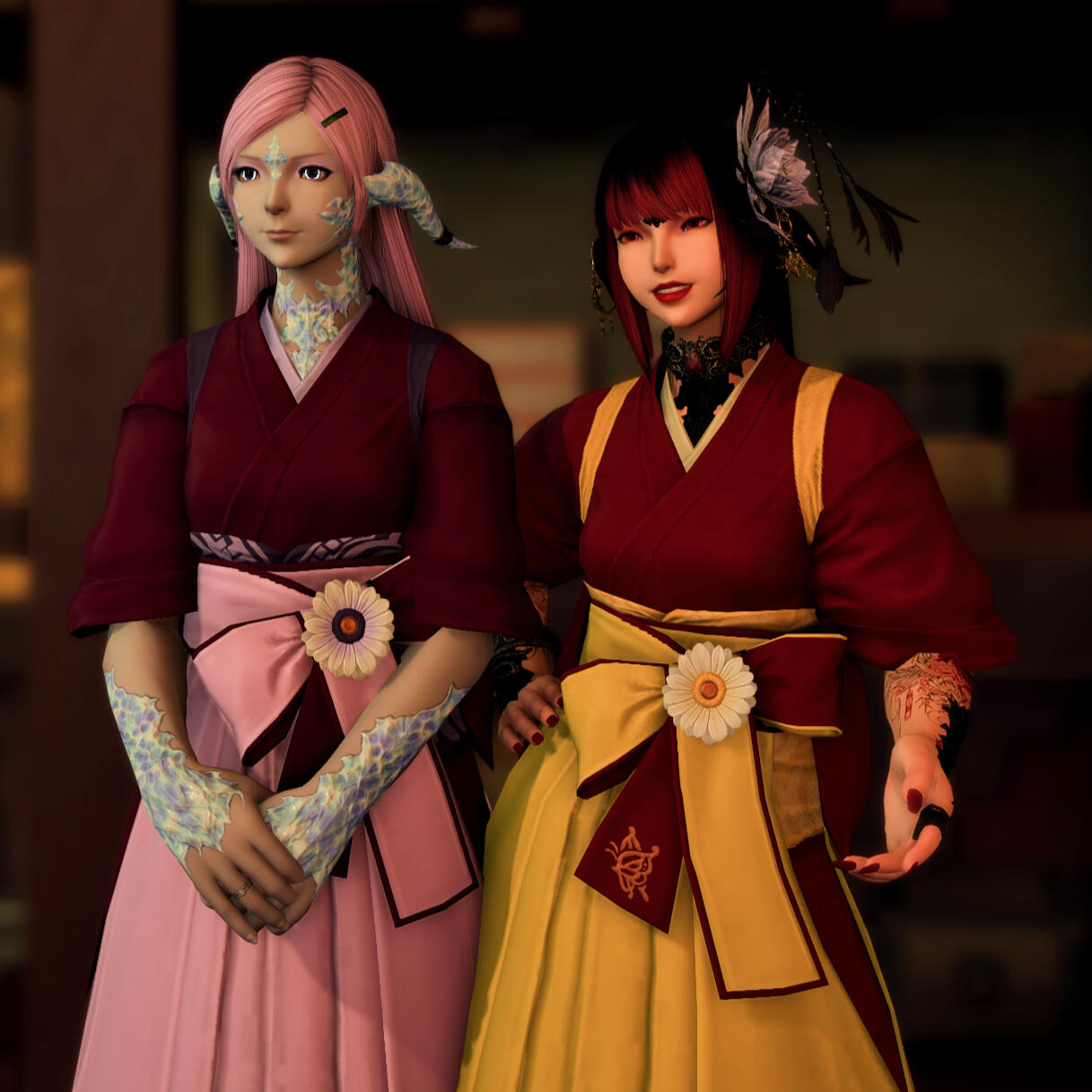
Katsumi Naraku
Katsumi Naraku is a shrewd hingan businesswoman who took up tesuki-washi as a hobby on her own time, born from her enjoyment of making dolls with origami. She began when she was young. The craft became a passion when she began to repair her own home fixtures, starting with shoji screens and lanterns.Now Orizuru Washiya serves as a fun outlet between Katsumi's business ventures, typically as a stall at festivals or markets.


Saya Naraku
Originally from the secluded Sui-no-Sato, Saya left her underwater home for Ul'dah many years ago, where she met and married Katsumi. A natural artist, Saya took to the craft of making traditional Hingan washi easily.Joining her wife in their new shop, Saya found the intricate and intense process of papermaking to be a calming outlet. She can often be found in the back, carefully rocking the sugeta back and forth.